Every little thing You Need to Know Concerning the Uses and Benefits of Aluminum Castings
Aluminum castings play a crucial function throughout numerous sectors, providing unique residential properties that enhance product performance. Their light-weight nature and strength make them perfect for applications in vehicle and aerospace fields. Additionally, the flexibility of casting approaches permits for detailed layouts and limited tolerances. As the need for sustainable solutions climbs, recognizing the advantages and applications of aluminum castings ends up being significantly important. What details benefits do they supply over various other materials?
Summary of Aluminum Casting Processes
Aluminum casting processes encompass a selection of strategies utilized to shape molten aluminum right into desired kinds. These methods include sand casting, pass away spreading, and investment casting, each offering unique benefits depending upon the application (Aluminum Casting). Sand casting entails creating a mold and mildew from sand, enabling detailed layouts and huge components, while die spreading uses high stress to infuse liquified aluminum into steel mold and mildews, making certain precision and smooth coatings. Financial investment casting, additionally referred to as lost-wax spreading, produces complicated forms with superb dimensional accuracy, making it suitable for comprehensive components
These processes are defined by their capability to produce light-weight, sturdy components that show superb rust resistance. The flexibility of aluminum permits customization in various markets, from automobile to aerospace. In addition, the capability to reuse aluminum enhances the sustainability of these casting processes, lowering ecological impact while keeping product stability. Understanding these techniques is necessary for enhancing manufacturing effectiveness and accomplishing top notch aluminum castings.
Key Applications of Aluminum Castings
Aluminum castings play an important function across numerous industries, specifically in auto, aerospace, and customer electronic devices. In the automotive sector, they add to light-weight frameworks that improve fuel effectiveness. Aerospace elements benefit from aluminum's strength-to-weight ratio, while consumer electronics leverage its versatility for reliable manufacturing.
Automotive Sector Applications
As the automotive industry remains to progress, manufacturers increasingly depend on aluminum castings for their light-weight yet resilient residential properties. These castings play a vital function in improving car efficiency, gas performance, and general safety and security. Trick applications consist of engine blocks, transmission housings, and structural elements, which gain from aluminum's exceptional strength-to-weight ratio. Furthermore, aluminum castings help with intricate geometries, permitting cutting-edge layouts that improve the rules of aerodynamics and decrease drag. The corrosion resistance of aluminum likewise adds to durability, decreasing upkeep expenses for both producers and customers. As electric automobiles gain appeal, aluminum castings are essential for battery units and other elements, better solidifying their relevance in the future of automotive production.
Aerospace Component Production
In the aerospace sector, aluminum castings are indispensable to the production of light-weight, high-performance elements. These castings are necessary for making parts such as engine real estates, architectural frameworks, and landing gear parts, where weight decrease is vital for fuel performance and general efficiency. The exceptional strength-to-weight proportion of aluminum enables for the advancement of intricate geometries that boost aerodynamics. Furthermore, aluminum's resistance to corrosion adds to the durability and reliability of aerospace components, guaranteeing safety and security in flight procedures. The casting procedure additionally permits specific resistances, which is necessary in conference rigid aerospace market standards. On the whole, aluminum castings play a crucial role beforehand aerospace technology while supporting the industry's promote sustainable methods.
Customer Electronic Devices Production
Using aluminum castings in customer electronics manufacturing has actually become increasingly considerable as a result of their light-weight and durable properties. Suppliers take advantage of these castings to develop parts for numerous tools, consisting of smart devices, laptops, and pc gaming consoles. Aluminum's exceptional thermal conductivity additionally assists in heat dissipation, enhancing tool efficiency and long life. The versatility of aluminum allows for intricate layouts and intricate geometries, allowing streamlined and modern-day visual appeals that appeal to customers. Furthermore, aluminum castings can be conveniently reused, straightening with the expanding demand for lasting manufacturing practices. As modern technology developments, the role of aluminum castings in creating ingenious and reliable consumer electronic devices is expected to increase, making them a staple in the sector.

Advantages of Utilizing Aluminum Castings
While various products are available for spreading, aluminum sticks out due to its unique combination of light-weight buildings, strength, and rust resistance. The reduced density of aluminum makes it an optimal option for applications where weight reduction is crucial, such as in the auto and aerospace industries. Its exceptional strength-to-weight proportion permits manufacturers to create long lasting elements without including excessive weight.
In addition, aluminum castings can be generated with complex designs and limited resistances, enabling complicated geometries that are hard to achieve with various other materials. The versatility of aluminum permits different casting approaches, consisting of sand, die, and financial investment spreading, satisfying diverse manufacturing demands. Furthermore, aluminum's ease of machining and finishing boosts its allure, helping with the creation of premium surface finishes. On the whole, the advantages of using aluminum castings add to improved performance and effectiveness in many applications throughout various fields.
Corrosion Resistance in Aluminum Castings
Natural Oxide Layer
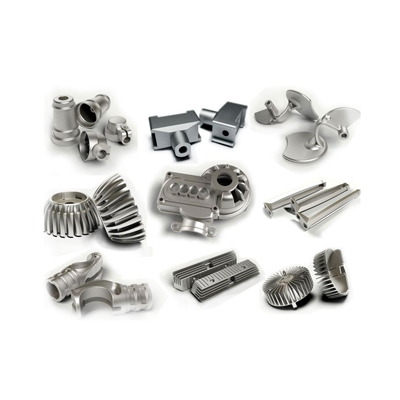
A natural oxide layer forms on the surface of aluminum castings, providing a crucial obstacle against ecological factors that can lead to degeneration. This thin, safety film is an outcome of the aluminum's reaction with oxygen airborne, properly securing the underlying steel from moisture, chemicals, and contaminants. Because of this, aluminum castings display remarkable deterioration resistance, which boosts their long life and durability in different applications. The oxide layer is not just useful for protection however likewise adds to visual high qualities, as it can develop look these up a matte coating that numerous markets like. Additionally, this all-natural process minimizes the demand for additional finishings, making aluminum castings an affordable selection for makers seeking reliable, durable products.
Alloy Variants Effect
The composition of aluminum alloys considerably affects their deterioration resistance buildings in castings. Different alloy variants, such as 1xxx, 2xxx, and 6xxx series, exhibit distinct degrees of susceptibility to rust. 1xxx alloys, mostly made up of pure aluminum, deal superb deterioration resistance due to their high purity. In comparison, 2xxx alloys, which contain copper, may experience substantial rust when subjected to rough environments. On the other hand, 6xxx alloys, including magnesium and silicon, strike a balance in between strength and resistance. The presence of alloying aspects can improve or lessen protective oxide layers, eventually impacting durability and performance. Understanding these variants is important for choosing the best alloy for specific applications where deterioration resistance is essential.
Style Versatility and Customization
Although numerous products exist for casting applications, aluminum sticks out as a result of its exceptional layout adaptability and potential for customization. This convenience permits designers and engineers to create complex shapes and kinds that fulfill details practical needs. Aluminum Casting. The low density of aluminum allows light-weight designs, which is specifically helpful in sectors such as auto and aerospace, where weight decrease is vital
Aluminum castings can be tailored to different specifications, including wall surface thickness, surface coating, and dimensional resistances. This adaptability not only improves the aesthetic allure but additionally enhances the performance of the last product. In addition, progressed techniques such as 3D printing and computer-aided layout (CAD) more promote the customization procedure, making it possible for quick prototyping and reducing preparations. As a result, aluminum castings can efficiently satisfy the varied needs of different markets while supplying makers the capacity to innovate and respond rapidly to market demands.
Comparison With Other Casting Materials
While various casting products each have their unique advantages, aluminum consistently demonstrates exceptional residential properties that make it a recommended option in several applications. Contrasted to iron and steel, aluminum is substantially lighter, which decreases the overall weight of finished products, boosting fuel effectiveness in automobile and aerospace sectors. Aluminum supplies superb corrosion resistance, needing much less upkeep over time compared to products like iron, which can corrosion.
When juxtaposed with plastics, aluminum's strength and resilience go beyond many synthetic alternatives, making it suitable for requiring environments. On top of that, aluminum's thermal and electrical conductivity is extremely greater than most various other steels, making it optimal for applications calling for reliable warmth dissipation or electric components.
Future Fads in Aluminum Casting Technology
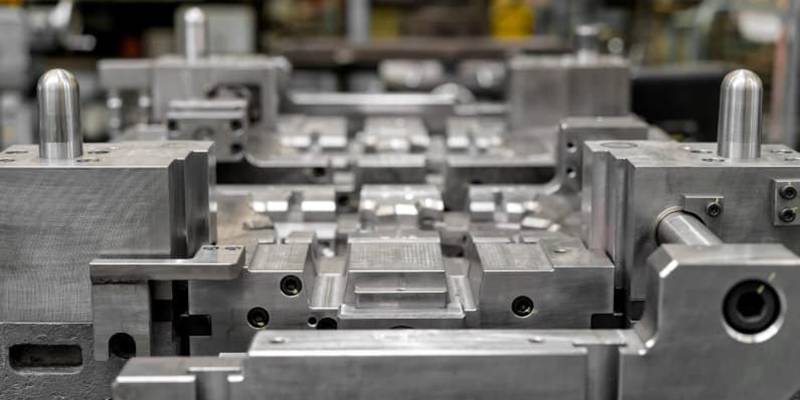
Developments in aluminum casting technology are readied to redefine its applications across various sectors. Technologies in automation and robotics are improving manufacturing processes, enhancing efficiency and precision. The combination of expert system and artificial intelligence makes it possible for real-time monitoring and predictive upkeep, reducing downtime and improving top quality control.
The growth of advanced alloys is increasing the performance capacities of aluminum castings, making them appropriate for more demanding sites applications, particularly in automotive and aerospace sectors. Lasting practices are likewise acquiring traction, with increased emphasis on recycling aluminum and reducing carbon footprints during production.
Additive manufacturing strategies, such as 3D printing, are being checked out to develop complicated geometries that traditional methods can not achieve, enabling greater style adaptability. These patterns indicate a future where aluminum casting will not only satisfy however surpass market assumptions, driving development and sustainability in manufacturing.
Regularly Asked Concerns
How Are Aluminum Castings Recycled After Usage?
Aluminum castings are normally gathered, cleansed, and processed in recycling facilities. The product is thawed down, refined, and after that reformed into brand-new products, therefore conserving resources and reducing ecological effect while preserving aluminum's desirable homes.
What Are the Regular Expenses Connected With Aluminum Castings?
The normal prices connected with aluminum castings differ based upon aspects such as complexity, quantity, and product specifications. Normally, costs vary from a read here couple of bucks per pound to considerably greater quantities for elaborate styles and big amounts.
How Do Aluminum Castings Compare in Weight to Steel Castings?
Aluminum castings evaluate considerably much less than steel castings, generally around one-third the weight (Aluminum Casting). This lowered mass allows for much easier handling, transport, and application in different industries, adding to enhanced efficiency in style and manufacturing processes
What Industries Mainly Depend On Aluminum Castings?
Various industries significantly count on aluminum castings, consisting of automobile, aerospace, electronics, and consumer items. Their lightweight nature, corrosion resistance, and versatility make them essential for manufacturing parts in these sectors, improving efficiency and effectiveness.
Are There Any Type Of Wellness Threats Related To Aluminum Casting Processes?
Health threats related to aluminum spreading procedures include direct exposure to fumes, dirt, and chemicals, which can cause breathing problems and skin irritation. Correct safety and security measures and devices are important to mitigate these possible hazards in the work environment.